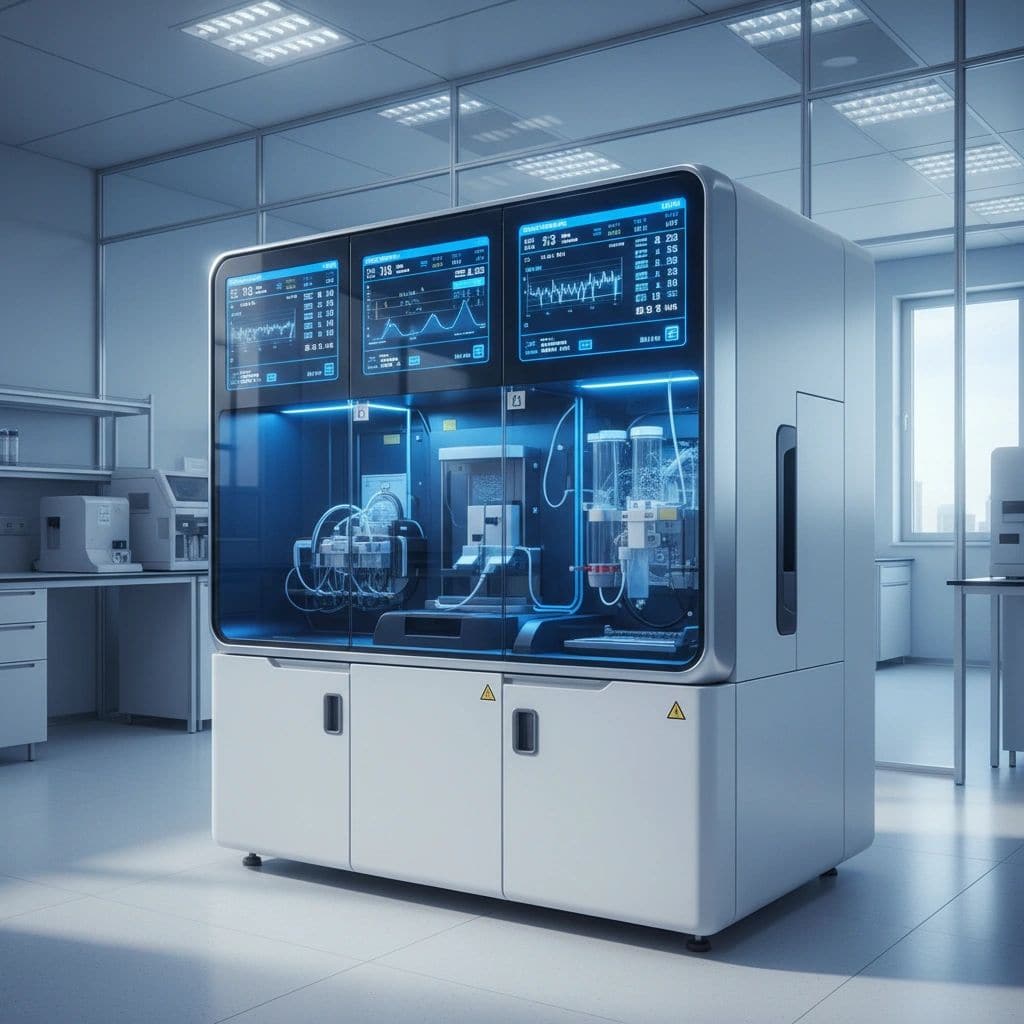
Parathyroid Detection in the Operating Room: How Advanced Tech Tools Helps Surgeons Protect What You Cannot Afford to Lose
Written by John P. Sabra, MD FACS
Updated May 2026
Educational only. This article is not medical advice. Always consult your physician about your individual situation.
The four parathyroid glands are small enough to mistake for a fat droplet or a lymph node. The technology now available to identify them in real time during surgery has meaningfully changed how confidently a surgeon can protect them.
The Problem PTEye and Other Detection Tools Were Designed to Solve
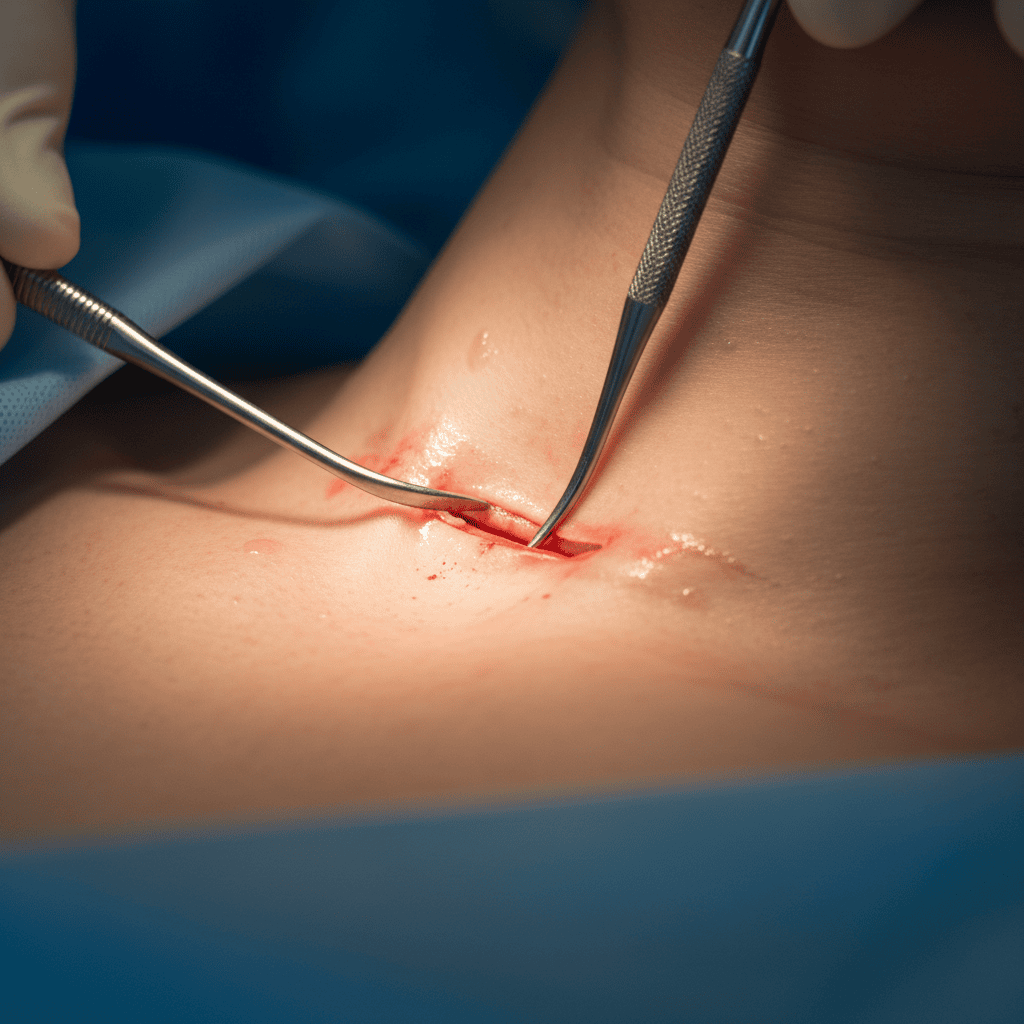
The parathyroid glands sit directly adjacent to the thyroid and share its blood supply. They are typically the size of a grain of rice, tan-yellow in color, and easily confused with surrounding fat, lymph nodes, or small thyroid nodules during surgery. Accidentally removing or devascularizing one results in hypoparathyroidism and low blood calcium. When all four glands are compromised, the result is permanent hypoparathyroidism requiring lifelong calcium and vitamin D supplementation.
Experienced surgeons develop strong pattern recognition for identifying parathyroid tissue visually. But even in expert hands, identifying all four glands under challenging conditions — a large goiter, extensive central neck dissection, or scarring from prior surgery — can be genuinely difficult. PTEye and other optical tools address that difficulty directly.
How It Works: The Science Behind the Glow
PTEye and other optical detection scanners are near-infrared fluorescence imaging system that exploits a remarkable biological property: parathyroid tissue autofluoresces naturally under near-infrared light at approximately 820 nanometers. Autofluorescence means the tissue emits light on its own when illuminated at a specific wavelength — without any injected dye or contrast agent. Thyroid tissue, fat, muscle, and lymph nodes do not share this property to the same degree, which is what makes the signal specific.
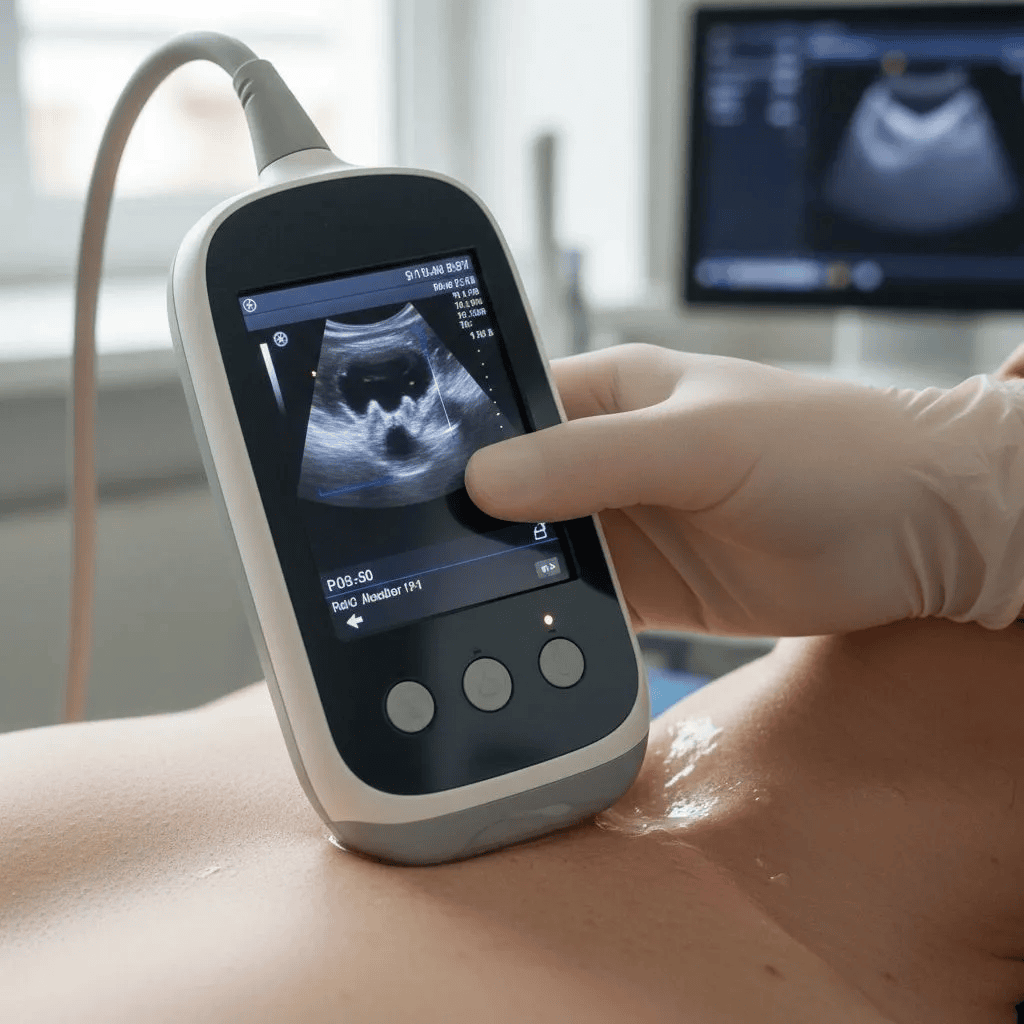
The surgeon activates the device, scans the field, and the glands light up. The system requires no preparation, no injection, and adds minimal time to the procedure. This capability is most valuable in two situations: routine identification of all four glands before and during dissection, and the critical moment when a piece of tissue has been removed and the surgeon needs to know immediately whether it is a parathyroid — prompting immediate autotransplantation if it is.
PTEye does not replace surgical skill — it amplifies it. Near-infrared autofluorescence imaging is most valuable in the hands of a surgeon who already understands parathyroid anatomy and preservation technique. The technology identifies the glands; the surgeon still has to protect their blood supply, handle them carefully, and make the judgment calls about how to proceed.
What About Immunofluorescence Agents?
A separate category of tools involves injected fluorescence agents — most notably indocyanine green (ICG) — which can assess blood flow to the parathyroid glands by highlighting tissue perfusion under near-infrared light after intravenous injection. However, ICG-based assessment has limitations that reduce its clinical utility for routine use: the injection must be timed carefully, the signal fades quickly, and interpretation requires experience. Most high-volume thyroid surgeons find PTEye autofluorescence more practical and more consistently useful as a routine intraoperative tool.
Why This Matters When Choosing a Surgeon
The routine use of PTEye is a meaningful signal about the level of technology integration in a surgical practice. A surgeon who uses near-infrared parathyroid detection as standard has invested in the equipment, trained with it, and built it into their workflow because the evidence supports it.
Before your total thyroidectomy or parathyroid surgery, ask your surgeon directly: do you use PTEye or near-infrared parathyroid detection during this operation? A surgeon operating at the current standard of care should be able to answer yes and explain how they use it.
References
- Wilhelm SM, et al. AAES Guidelines for the Definitive Management of Primary Hyperparathyroidism. JAMA Surg. 2016.
- American Association of Endocrine Surgeons — Patient Resources.
- American Thyroid Association — Thyroid Surgery.
This article was written by John P. Sabra, MD FACS and is intended for patient education only. It does not constitute medical advice and does not replace a consultation with your physician.
More from the Technology and Tools series


Ready to Talk to a Specialist?
A thyroid specialist can review your specific results, answer your questions, and help you understand exactly what your next steps should be. The ATLAS network connects you with experienced thyroid and parathyroid expert physicians who focus on thyroid disease.
Find a Thyroid Specialist Near You →