Central Neck Lymph Node Dissection: What It Is, When It Is Done, and What the Added Risks Mean
Written by John P. Sabra, MD FACS
Updated May 2026
Educational only. This article is not medical advice. Always consult your physician about your individual situation.
When thyroid cancer surgery extends beyond the thyroid gland, it may involve nearby lymph nodes. Understanding when and how these lymph nodes are considered for further surgery is an important part of your care.
What the Central Neck Compartment Is
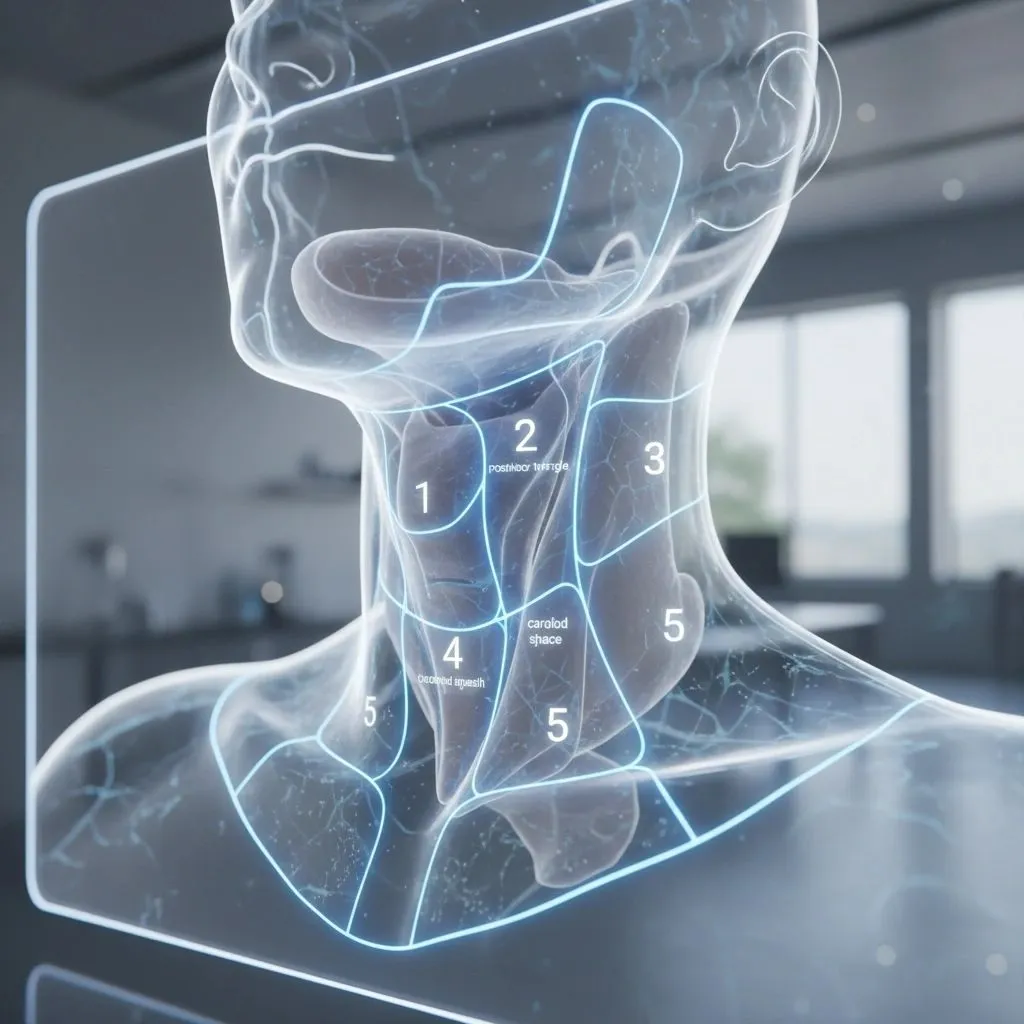
The neck is divided into anatomical regions called compartments. The central neck compartment (level VI) sits in the midline between the two carotid arteries and contains the lymph nodes that drain the thyroid gland most directly. When papillary thyroid cancer spreads to lymph nodes, the central neck is the first and most common destination. In some patients this spread is visible on preoperative ultrasound. In others, the nodes appear normal on imaging but contain microscopic cancer only found when the dissection is examined under the microscope.
When Central Neck Dissection Is Performed
Therapeutic dissection: When preoperative ultrasound or biopsy has confirmed cancer in central neck lymph nodes, removing those nodes at the time of thyroidectomy is standard practice. Leaving known positive nodes in place would represent incomplete cancer treatment.
Prophylactic dissection: When the central neck nodes appear normal on preoperative imaging but the primary cancer carries features that make microscopic lymph node spread likely, some surgeons perform a prophylactic dissection. Whether removing those nodes routinely improves long-term outcomes is debated, and guidelines from major thyroid surgery organizations offer different recommendations depending on tumor size, features, and surgeon experience.
Some experienced thyroid surgeons perform prophylactic central neck dissection routinely for intermediate and high-risk papillary thyroid cancers, arguing it provides better staging information and reduces the chance of needing a second operation. Others reserve dissection for confirmed nodal disease. Both are defensible positions held by experienced surgeons. Patients should ask their surgeon directly which approach they recommend for their specific cancer and why.
The Added Risks
Hypoparathyroidism is the most significant and most common complication. The parathyroid glands sit within or immediately adjacent to the tissue being removed, and their small blood vessels can be disrupted during the dissection. Permanent hypoparathyroidism occurs more frequently after central neck dissection than after thyroidectomy alone, and the rate increases significantly when bilateral dissection is performed.
Recurrent laryngeal nerve injury risk is higher than in thyroidectomy alone because the dissection is more extensive and the nerve must be traced through tissue that is being actively removed. Intraoperative nerve monitoring is essential for central neck dissection.
Central neck dissection can be performed on one side (ipsilateral to the tumor) or on both sides. Bilateral dissection provides more comprehensive nodal clearance but carries meaningfully higher rates of parathyroid complications because all four parathyroid glands are at risk rather than two. The decision between unilateral and bilateral dissection depends on the location of the primary tumor, the pattern of suspected nodal disease, and the surgeon’s judgment about the risk-benefit balance.
What to Ask Your Surgeon
- Are my central neck nodes involved based on preoperative imaging? — if nodes appear positive on ultrasound, dissection is standard; if they appear clear, ask why dissection is or is not being recommended for your specific cancer
- Will the dissection be on one side or both? — the answer affects the parathyroid risk specifically
- How many central neck dissections do you perform per year? — volume matters for this operation even more than for thyroidectomy alone
- Do you use parathyroid imaging during dissection? — PTEye or similar technology adds meaningful protection for the parathyroid glands in a dissection where the operative field is more complex
The Bottom Line
Central neck dissection is an important and often necessary component of thyroid cancer surgery. When the nodes are known to be involved, it is not optional. The surgeon performing your central neck dissection should have specific experience with this operation, should use intraoperative nerve monitoring and parathyroid protection techniques as a matter of routine, and should be able to explain clearly why the extent of dissection being planned is the right choice for your specific case.
References
- Haugen BR, et al. 2015 ATA Management Guidelines for Thyroid Nodules and DTC. Thyroid. 2016.
- American Thyroid Association — Thyroid Cancer.
- National Cancer Institute — Thyroid Cancer Treatment.
This article was written by John P. Sabra, MD FACS and is intended for patient education only. It does not constitute medical advice and does not replace a consultation with your physician. Decisions about the extent of lymph node dissection require individualized evaluation by a surgeon experienced in thyroid cancer.
More from the Surgical Procedures series




Ready to Talk to a Specialist?
A thyroid specialist can review your specific results, answer your questions, and help you understand exactly what your next steps should be. The ATLAS network connects you with experienced thyroid and parathyroid expert physicians who focus on thyroid disease.
Find a Thyroid Specialist Near You →