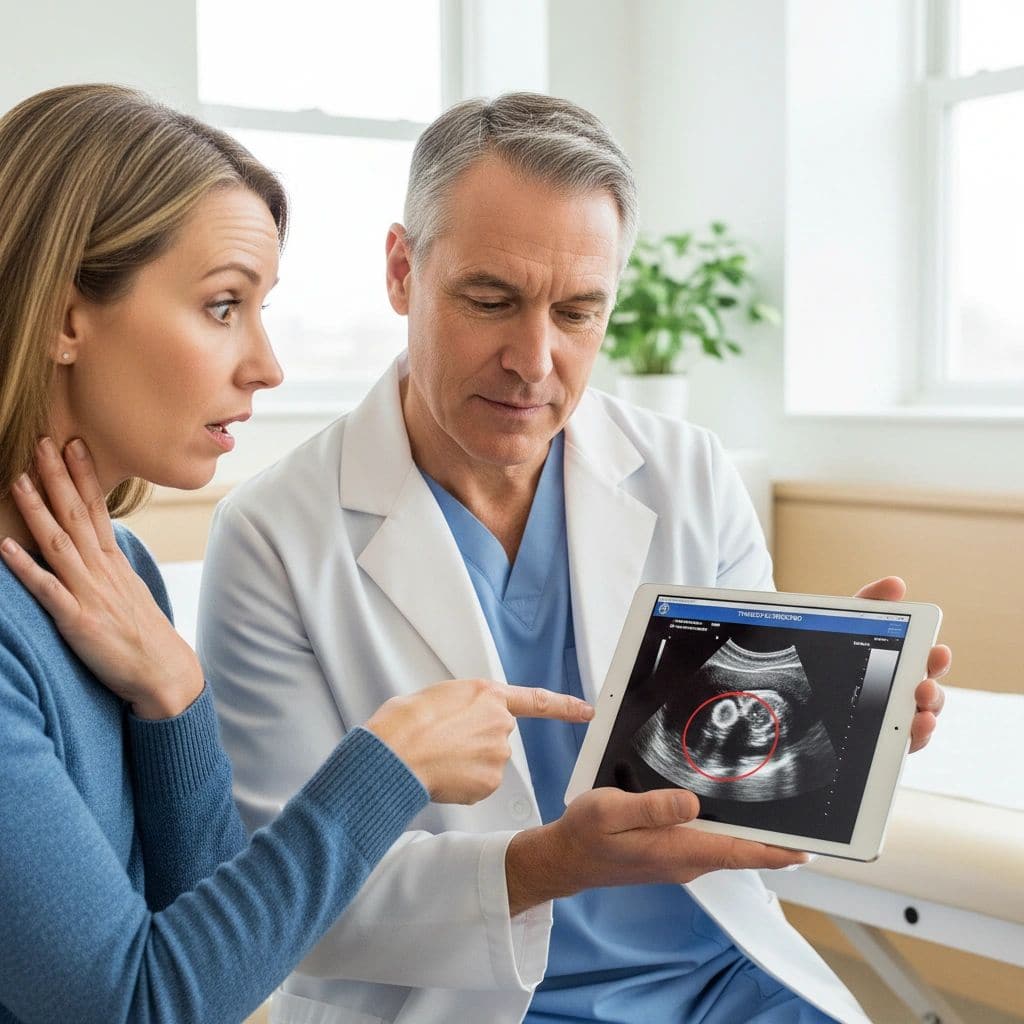
Thyroid Biopsy (FNA): Does It Hurt? What to Expect Start to Finish
Written by John P. Sabra, MD FACS
Updated May 2026
Educational only. This article is not medical advice. Always consult your physician about your individual situation.
Of all the questions patients ask before a thyroid biopsy, one comes up more than any other: does it hurt? The honest answer is that most patients find it much easier than they expected. The procedure takes about 15 minutes, is done with a local anesthetic in a physician’s office, and the vast majority of patients return to their normal day immediately afterward.
This article removes the unknowns one by one — from what a thyroid biopsy actually is, to how the procedure unfolds step by step, to where to have it done and how to choose wisely.
What a Thyroid Biopsy Actually Is
The formal name is Fine Needle Aspiration, or FNA. It involves a very thin needle guided into the thyroid nodule under real-time ultrasound imaging to withdraw a small sample of cells for pathology review. It is not surgery. It does not remove the nodule. It does not require general anesthesia or hospital admission. FNA is the tool that turns probability into a clear answer.
The Procedure, Step by Step
| Step | Stage | What Happens |
|---|---|---|
| 1 | Arrival and positioning | You lie on your back with neck gently extended. You stay fully awake throughout. |
| 2 | Ultrasound mapping | The physician locates the nodule precisely on ultrasound before anything else is done. |
| 3 | Local anesthetic | A small amount of lidocaine is injected. Most patients feel a brief sting, after which the area is numb. |
| 4 | Needle passes | Three to four passes collect enough cells. Each lasts only a few seconds. Mild pressure is common; significant pain is not. |
| 5 | Pressure and completion | Firm pressure is applied for several minutes. No incision. No stitches. |
| 6 | Discharge | Most patients drive themselves home and return to normal activities the same day. |
Does It Hurt? What Patients Actually Report
The most uncomfortable part is the local anesthetic injection — a brief sting lasting a few seconds. After that, the neck is numb and the needle passes are felt primarily as pressure. What patients consistently report afterward is that the anticipation was worse than the reality.
- Mild discomfort: Most patients describe pressure with occasional mild aching.
- Moderate discomfort: A smaller group finds it uncomfortable but manageable.
- Significant pain: Rare. Usually associated with a particularly sensitive neck anatomy.
If you have significant procedural anxiety, a history of fainting with needles, or a strong vasovagal response, tell the physician before the procedure begins. Simple accommodations are routinely provided.
Where to Have Your Biopsy Done
The single most important factor is operator experience. A physician who performs thyroid biopsies regularly — several per week as part of a focused thyroid practice — will collect better samples and produce more reliable results. When choosing where to have your biopsy, ask how many thyroid biopsies the performing physician does per month.
After the Biopsy: What Recovery Looks Like
Mild neck soreness for one to two days, a small bruise, and minor stiffness are all normal. Most patients return to desk work the same day. Strenuous exercise is best avoided for 24 to 48 hours. Contact your physician if you notice significant expanding swelling, difficulty breathing or swallowing, fever, or severe worsening pain.
How Long for Results
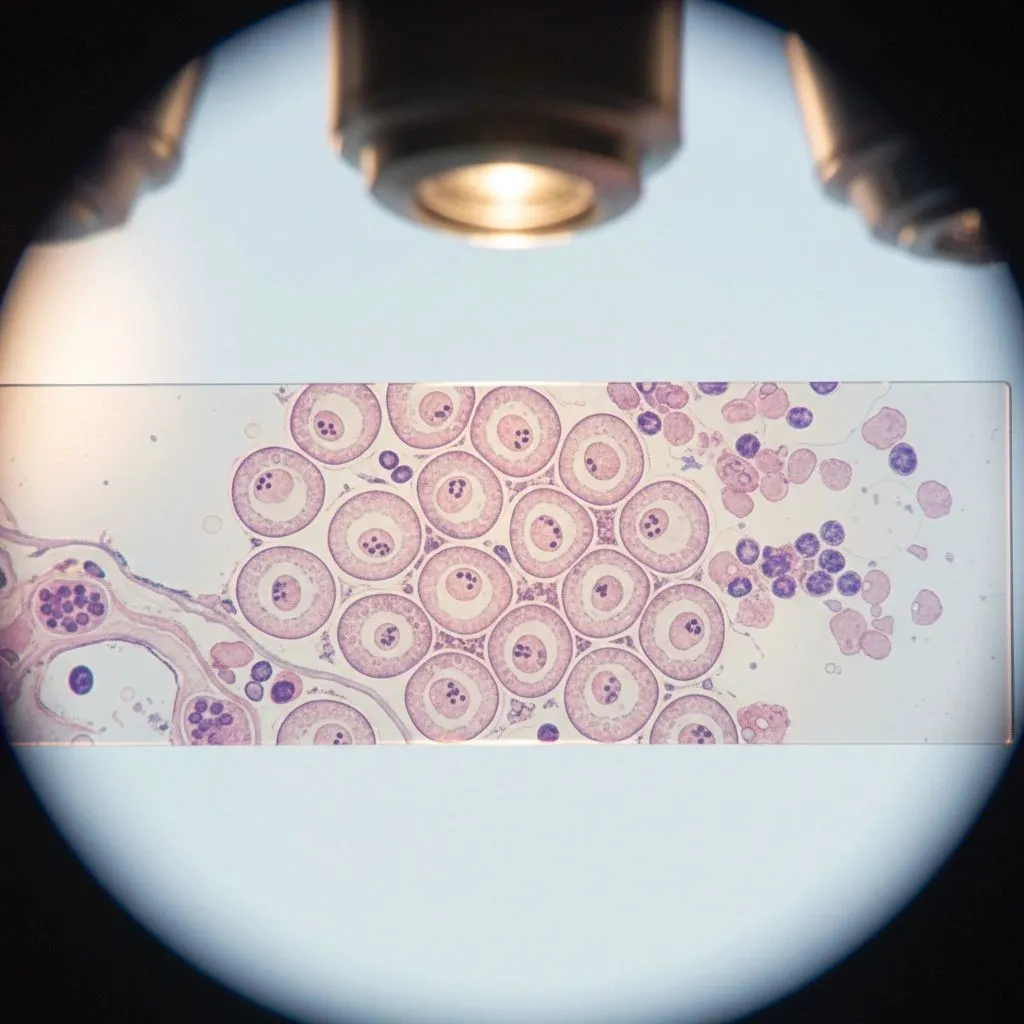
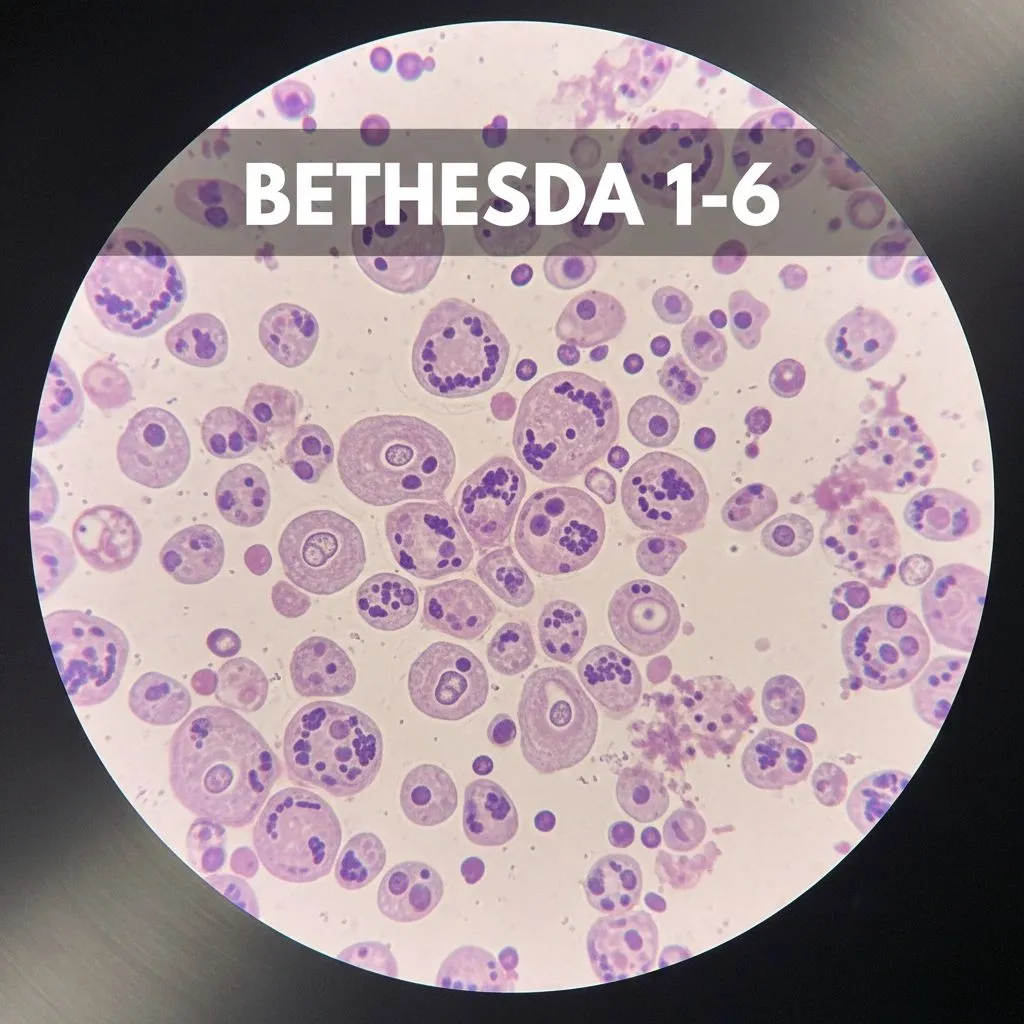
Results are typically available within three to seven business days, reported using the standardized Bethesda classification system (Categories I through VI). The two categories that cause the most confusion are Bethesda III and IV — both are indeterminate, meaning the cells do not look clearly benign or malignant. This is a known limitation of thyroid FNA, not a failed test, and there are well-established next steps for managing it.
The Bottom Line
A thyroid biopsy is one of the safest and most informative diagnostic procedures in medicine. The fear that surrounds it is almost always larger than the procedure itself. The most important decisions are not about whether to have it, but about who performs it and where.
References
- Haugen BR, et al. 2015 ATA Management Guidelines for Thyroid Nodules and DTC. Thyroid. 2016.
- American Thyroid Association — Fine-Needle Aspiration Biopsy of Thyroid Nodules.
- ATA Professional Guidelines.
This article was written by John P. Sabra, MD FACS and is intended for patient education only. It does not constitute medical advice and does not replace a consultation with your physician.
More from the Needle Biopsy (FNA) series


Ready to Talk to a Specialist?
A thyroid specialist can review your specific results, answer your questions, and help you understand exactly what your next steps should be. The ATLAS network connects you with experienced thyroid and parathyroid expert physicians who focus on thyroid disease.
Find a Thyroid Specialist Near You →