
Lymph Node Evaluation and Mapping: Why It Matters as Much as Treating the Nodule
Written by John P. Sabra, MD FACS
Updated May 2026
Educational only. This article is not medical advice. Always consult your physician about your individual situation.
When thyroid cancer spreads, lymph nodes in the neck are almost always the first destination — and finding them before or during surgery changes the outcome of the operation.
Why Lymph Nodes Are Part of the Thyroid Cancer Conversation
Lymph nodes are small, bean-shaped structures throughout the neck that play a central role in the immune system. They are also, for most thyroid cancers, the first place cancer cells travel when they spread beyond the thyroid gland. Papillary thyroid cancer — the most common type — spreads to nearby lymph nodes in a meaningful percentage of patients, even when the primary tumor is small.
The presence or absence of lymph node involvement affects surgical planning, the extent of the operation, whether radioactive iodine therapy is recommended, and how aggressively the patient needs to be monitored. A surgeon who does not systematically evaluate the neck lymph nodes before and during thyroid cancer surgery is not operating at the current standard.
Preoperative Lymph Node Evaluation: What Happens Before Surgery
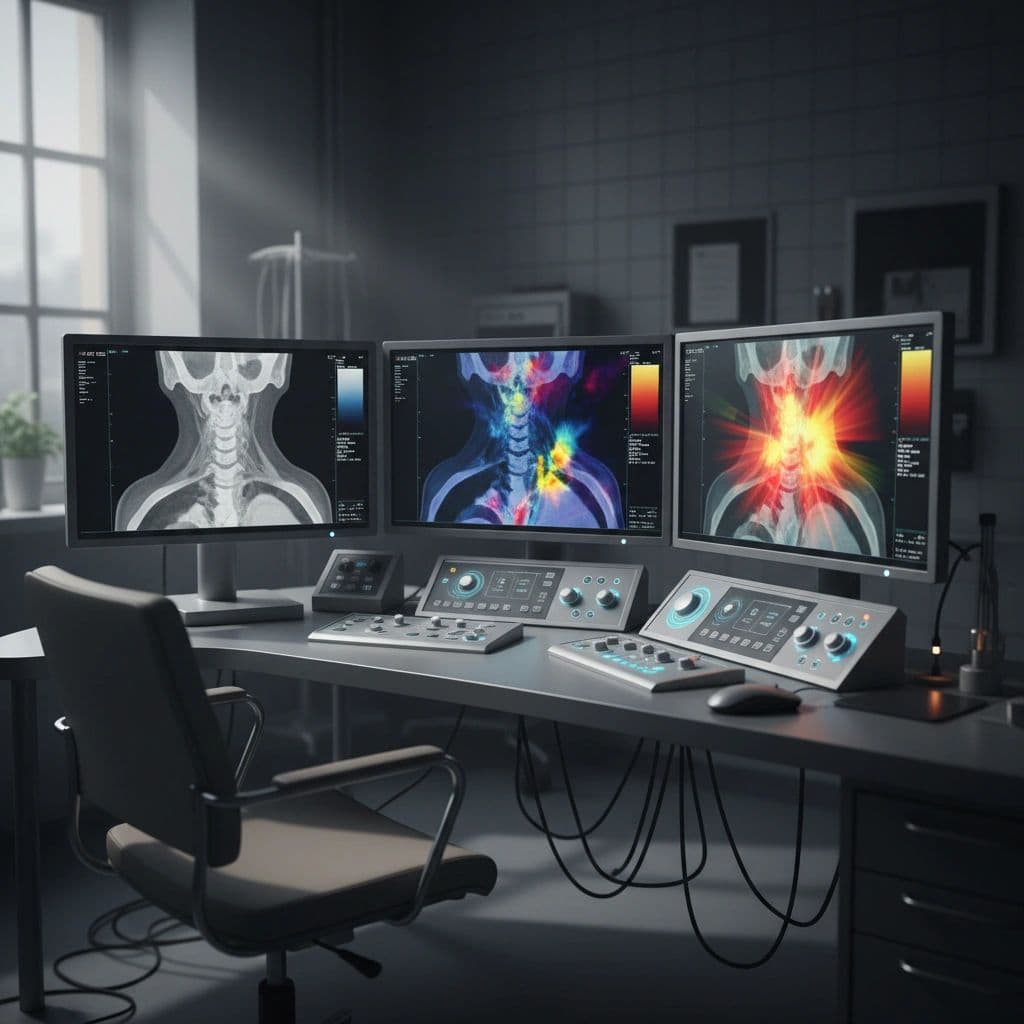
The evaluation begins before surgery with a dedicated preoperative ultrasound of the neck — not the same as the ultrasound used to evaluate the thyroid nodule itself. A comprehensive neck ultrasound maps the lymph node compartments on both sides, looking for nodes that are enlarged, rounded, have lost their normal fatty center, contain microcalcifications, or have other suspicious features.
When a suspicious lymph node is identified, the next step is typically an ultrasound-guided fine needle aspiration of that node. A positive FNA before surgery confirms that the dissection needs to include that nodal compartment — changing the operative plan before the first incision.
A neck ultrasound performed by a technologist using a general neck protocol is not the same as a dedicated thyroid and lymph node mapping ultrasound performed by a physician experienced in thyroid disease. The difference lies in what the operator is looking for, how carefully each compartment is examined, and whether suspicious findings are pursued with targeted biopsy.
What Happens to Lymph Nodes During Surgery
Even with thorough preoperative imaging, intraoperative assessment is essential. The central neck compartment (level VI) sits directly adjacent to the thyroid and is examined carefully during every thyroid cancer operation — these nodes are not always visible on preoperative ultrasound due to their position. A high-volume thyroid surgeon will systematically inspect and palpate the central neck, remove any grossly abnormal nodes, and make a judgment about whether formal central neck dissection is warranted.
Scar tissue from the initial thyroid surgery alters the anatomy of the neck and makes subsequent operations significantly more challenging. Complication rates for reoperation in the central neck compartment are higher than for primary surgery. This is why comprehensive lymph node assessment at the time of the primary operation matters so much — finding and addressing involved nodes during the first surgery is far preferable to leaving them behind and returning later.
What to Ask Before Your Surgery
- Has a dedicated preoperative neck ultrasound been performed? Not just a thyroid ultrasound, but a systematic examination of the lymph node compartments by a physician experienced in thyroid disease.
- Have any suspicious lymph nodes been biopsied? A confirmed positive node changes the surgical plan and should be known before the operation.
- How do you approach the central neck compartment during thyroid cancer surgery? The answer should reflect a systematic approach to inspection and dissection.
- How many thyroid cancer operations do you perform per year? Lymph node management requires the kind of judgment that develops with experience.
The Bottom Line
Lymph node evaluation is a core component of the surgical plan, and how thoroughly it is done before and during the operation directly affects whether the cancer is fully addressed or partially treated. A surgeon who focuses on thyroid disease, operates in high volume, and approaches lymph node evaluation systematically gives you the best chance at a complete first operation. That is the standard worth holding your surgeon to.
References
- Haugen BR, et al. 2015 ATA Management Guidelines for Thyroid Nodules and DTC. Thyroid. 2016.
- American Thyroid Association — Thyroid Cancer.
- National Cancer Institute — Thyroid Cancer Treatment.
This article was written by John P. Sabra, MD FACS and is intended for patient education only. It does not constitute medical advice and does not replace a consultation with your physician. Individual patient circumstances, cancer characteristics, and clinical judgment determine the appropriate surgical approach for every patient.
More from the Advanced Thyroid Care series



Ready to Talk to a Specialist?
A thyroid specialist can review your specific results, answer your questions, and help you understand exactly what your next steps should be. The ATLAS network connects you with experienced thyroid and parathyroid expert physicians who focus on thyroid disease.
Find a Thyroid Specialist Near You →